
Understanding Stress, Mood, and Cognitive Patterns Through Brain Technology

Mental wellness is closely connected to the way the brain processes emotions, stress responses, and cognitive activity. Advances in neurological technology have made it possible to better understand how different brain patterns may influence emotional balance, concentration, memory, and overall mental performance. Today, many individuals explore brain-focused wellness approaches to gain deeper insight into the connection between brain activity and emotional health. Techniques such as qEEG analysis and advanced neurological assessments are helping professionals study how stress and mood-related patterns affect daily functioning and long-term wellness.
Modern brain wellness programs often include tools like brain mapping for depression to observe how certain regions of the brain communicate and respond during emotional or cognitive challenges. These technologies can provide valuable information about irregular brainwave activity that may be linked to mood instability, chronic stress, anxiety, or mental fatigue. By understanding these neurological patterns, personalized wellness strategies may be developed to support emotional regulation and cognitive clarity.
The Connection Between Stress and Brain Function
Stress affects far more than emotional well-being. Long-term stress may influence concentration, sleep quality, memory retention, and even physical energy levels. When stress continues over extended periods, the brain can develop unhealthy response patterns that may interfere with normal emotional processing and cognitive performance.
Neurological assessments can help identify how stress impacts brain activity. Certain areas of the brain may become overactive, while others may function at lower levels than expected. This imbalance can contribute to racing thoughts, emotional reactivity, poor focus, and difficulty maintaining mental calmness. Understanding these patterns allows wellness professionals to develop more personalized approaches that support healthier brain performance.
Technology-based evaluations are especially helpful because they provide objective information about how the brain is functioning rather than relying only on reported symptoms. This data-driven approach helps create a more complete understanding of emotional and cognitive wellness.
Understanding Mood Patterns Through Brain Technology
Mood regulation is influenced by complex communication between different areas of the brain. When these communication pathways become imbalanced, individuals may experience emotional instability, irritability, sadness, or reduced motivation. Brain technology allows specialists to analyze these communication patterns and identify areas that may require support.
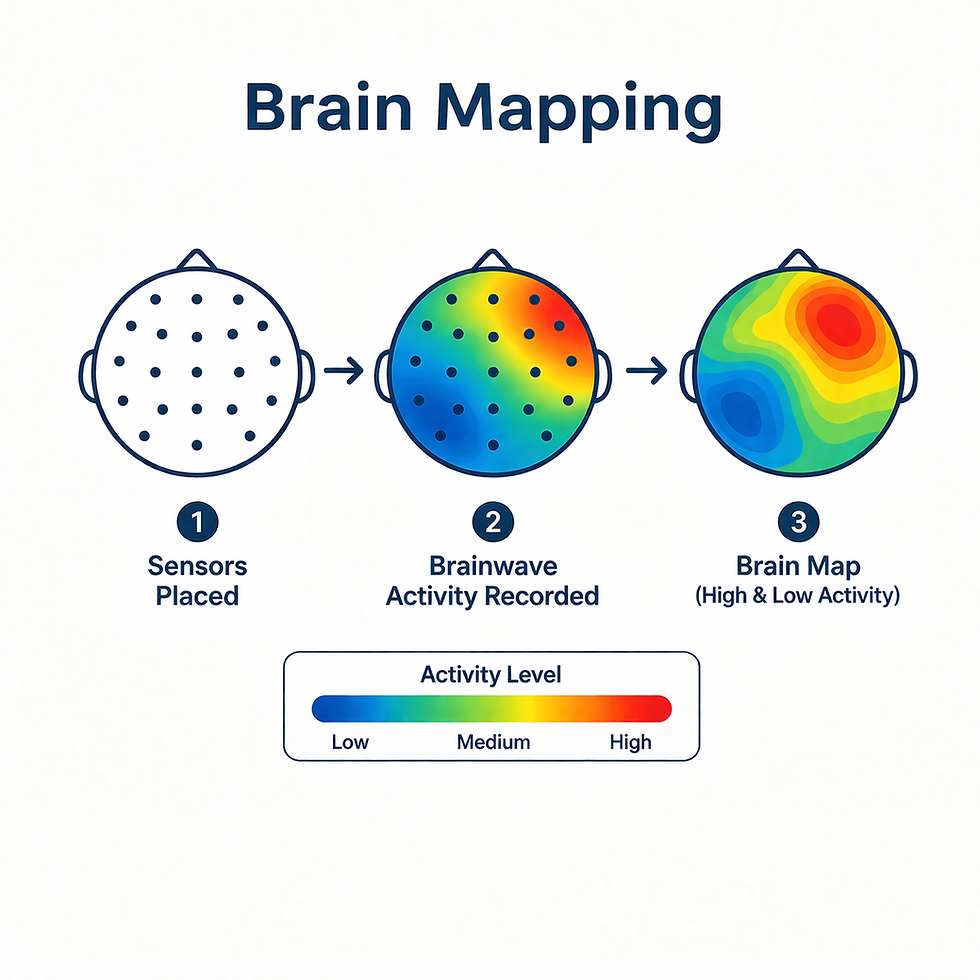
qEEG brain analysis is one of the tools often used in neurological wellness programs. This non-invasive assessment records electrical activity within the brain and creates visual maps showing brainwave performance. These maps can help identify patterns associated with emotional stress, attention difficulties, and mood-related concerns.
Understanding mood-related neurological activity may help individuals gain insight into how their brain responds to stress and emotional triggers. In many cases, brain-focused wellness approaches aim to support balanced neural communication while encouraging improved emotional resilience and mental clarity.
Cognitive Performance and Brain Activity
Cognitive health involves functions such as attention, memory, processing speed, decision-making, and mental flexibility. When brain activity becomes dysregulated due to stress or emotional overload, cognitive performance may decline. Individuals may notice difficulty focusing, reduced productivity, mental exhaustion, or trouble processing information efficiently.
Brain technology provides a clearer picture of how cognitive systems are functioning. By analyzing brainwave activity, wellness professionals can identify patterns that may contribute to concentration problems or mental fatigue. This information can then support personalized strategies designed to encourage healthier neurological balance.
Advanced brain wellness programs often combine neurological assessments with supportive therapies intended to improve cognitive performance. These may include neurofeedback, mindfulness-based techniques, relaxation training, and non-invasive stimulation therapies focused on improving neural communication and brain efficiency.
The Role of Personalized Brain Wellness Programs
Every brain functions differently, which is why personalized wellness programs have become increasingly important in neurological care. Instead of using a generalized approach, brain-focused wellness centers often develop individualized strategies based on each person’s neurological activity patterns and emotional needs.
Personalized assessments may help identify whether stress, emotional dysregulation, or cognitive challenges are linked to overactive or underactive brain regions. Once these patterns are recognized, targeted wellness approaches can be introduced to support healthier brain functioning.
Many individuals seek personalized brain wellness programs because they provide a more comprehensive understanding of mental and emotional health. Rather than focusing solely on symptoms, these approaches examine how brain activity itself may influence emotional responses, cognitive performance, and behavioral patterns.
Non-Invasive Brain Wellness Approaches
Modern neurological wellness centers often focus on non-invasive therapies that support healthier brain communication without surgical procedures. These approaches are designed to encourage better emotional regulation, improved focus, and reduced mental stress while supporting overall cognitive wellness.
Therapies such as neurofeedback training, biofeedback, and transcranial magnetic stimulation are increasingly explored as supportive tools for improving brain performance. These approaches may help encourage balanced neural activity while promoting relaxation and mental clarity.
In addition to neurological therapies, wellness programs may also include lifestyle-focused strategies such as sleep optimization, mindfulness practices, nutritional guidance, and stress management techniques. Combining these methods can create a more holistic approach to emotional and cognitive wellness.
Brain Technology and Emotional Recovery Support
Emotional recovery often requires understanding how trauma, stress, and emotional experiences influence neurological function. Brain-focused wellness programs aim to identify patterns that may contribute to emotional dysregulation while supporting healthier responses to stress and environmental triggers.
Many individuals exploring advanced neurological care also research services provided through a ptsd treatment center because trauma-related stress can significantly affect both emotional stability and cognitive function. Brain-based assessments may help professionals better understand how traumatic experiences influence neural communication patterns and emotional processing systems.
Through personalized wellness strategies and supportive therapies, brain technology can provide valuable insights that encourage long-term emotional resilience, improved concentration, and healthier stress management.
Conclusion
Advances in brain technology are changing the way emotional wellness and cognitive health are understood. By analyzing neurological patterns connected to stress, mood regulation, and cognitive performance, modern brain wellness programs can provide a deeper understanding of how the brain functions in everyday life.
Personalized neurological assessments and non-invasive wellness approaches may help individuals improve emotional balance, mental clarity, and cognitive resilience. As brain-focused technologies continue to evolve, they are offering new opportunities to better understand the connection between emotional health and brain activity while supporting healthier long-term wellness outcomes.


Comments