
How QEEG Brain Mapping Improves Diagnosis and Treatment Precision


Traditional approaches to mental health often rely on symptom-based evaluations, which, while valuable, may not fully capture what is happening inside the brain. Many individuals struggle with anxiety, depression, focus issues, or mood instability without clear answers. This is where QEEG (Quantitative Electroencephalogram) brain mapping provides a breakthrough—offering measurable, data-driven insights into brain function. Brain mapping therapy is transforming the way mental health conditions are identified and treated by helping clinicians move beyond guesswork and toward precise, personalized care. At Genesis Brain Institute, this advanced approach allows for a deeper understanding of brain activity, leading to more accurate diagnosis and effective treatment strategies.
What Is QEEG Brain Mapping?
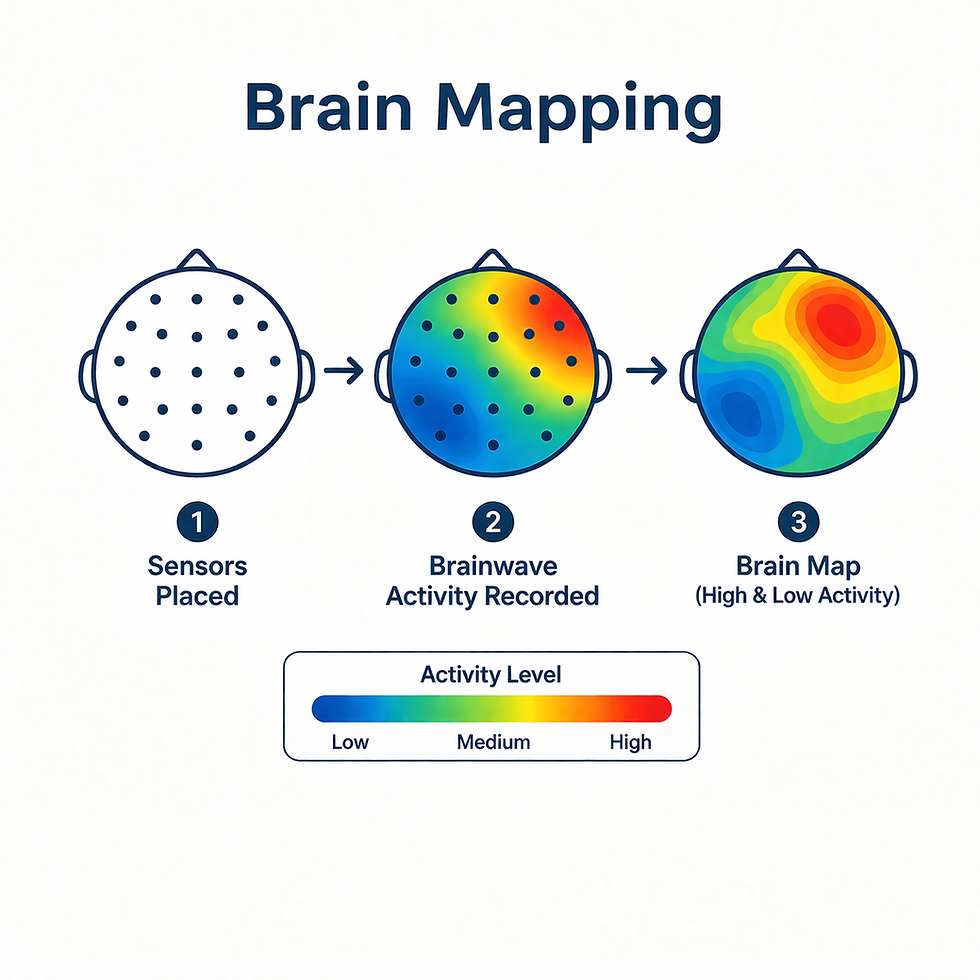
QEEG brain mapping is a non-invasive assessment that measures electrical activity in the brain. Small sensors are placed on the scalp to record brainwave patterns, which are then analyzed using advanced software. These patterns are compared to a normative database, helping clinicians identify irregularities linked to specific cognitive or emotional challenges.
Unlike standard evaluations that depend heavily on self-reporting, QEEG provides objective data. It reveals how different regions of the brain communicate, highlighting imbalances that may contribute to symptoms. This deeper understanding allows clinicians to uncover root causes rather than just treating surface-level issues.
Moving Beyond Symptoms to Root Causes
One of the biggest challenges in mental health care is that many conditions share similar symptoms. For example, difficulty concentrating may stem from anxiety, depression, or attention disorders. Without precise tools, treatment can become trial-and-error.
QEEG brain mapping changes this by pinpointing the exact areas of dysfunction. It identifies whether certain brain regions are overactive, underactive, or not communicating efficiently. This clarity helps clinicians differentiate between conditions that may appear similar but require very different treatment approaches.
By focusing on root causes, individuals receive care that is tailored specifically to their brain’s needs, improving both effectiveness and long-term outcomes.
Enhancing Diagnostic Accuracy
Accurate diagnosis is the foundation of effective treatment. QEEG brain mapping enhances this process by providing measurable evidence of brain activity. It reduces reliance on subjective interpretation and supports clinical decision-making with data.
For instance, patterns of excessive slow-wave activity may indicate under-arousal, while heightened fast-wave activity could be linked to anxiety or stress. These insights help clinicians confirm or refine diagnoses with greater confidence.
This level of precision is especially valuable for individuals who have not responded well to previous treatments. By identifying overlooked imbalances, QEEG opens the door to new, more effective strategies.
Personalized Treatment Planning
No two brains are the same, which means treatment should never be one-size-fits-all. QEEG brain mapping plays a crucial role in developing individualized care plans. The data gathered during the assessment guides clinicians in selecting therapies that directly address the identified imbalances.
At Genesis Brain Institute, this approach ensures that each treatment plan is aligned with the patient’s unique brain activity. Whether the goal is to improve mood, enhance focus, or reduce anxiety, interventions are chosen based on what the brain actually needs.
This targeted approach not only increases the likelihood of success but also reduces the time spent on ineffective treatments.
Tracking Progress and Adjusting Care
Another significant advantage of QEEG brain mapping is its ability to monitor progress over time. Follow-up assessments allow clinicians to see how the brain is responding to treatment. Changes in brainwave patterns provide objective evidence of improvement, even before symptoms fully resolve.
If progress is slower than expected, adjustments can be made quickly and accurately. This dynamic approach ensures that treatment remains effective and responsive to the individual’s needs.
Patients also benefit from seeing measurable results, which can increase motivation and confidence in the recovery process.
Integrating Brain Mapping Therapy into Modern Care
In the middle of this process, brain mapping therapy becomes a central component of comprehensive mental health care. It bridges the gap between diagnosis and treatment by providing continuous insight into brain function. This integration allows clinicians to refine strategies in real time, ensuring that care evolves alongside the patient’s progress.
Rather than relying on assumptions, therapy is guided by data. This leads to more efficient interventions, fewer setbacks, and a clearer path to recovery.
Supporting Advanced Treatment Options
QEEG brain mapping also enhances the effectiveness of advanced therapies. By identifying specific areas of imbalance, clinicians can target treatments more precisely. This is particularly important for individuals dealing with persistent or complex conditions.
In the final stage of care, therapies such as tms for anxiety can be guided by QEEG findings to focus on the exact regions responsible for dysregulation. This combination of technology and targeted intervention maximizes results, helping individuals achieve greater stability and long-term improvement.
A Future-Focused Approach to Mental Health
The integration of QEEG brain mapping into mental health care represents a shift toward precision medicine. It acknowledges that every brain is unique and that effective treatment must be tailored accordingly. By combining advanced diagnostics with personalized care, this approach offers a more reliable path to healing.
At Genesis Brain Institute, the focus is on empowering individuals with knowledge about their own brain. This understanding not only improves treatment outcomes but also helps patients feel more in control of their mental health journey.
Conclusion
QEEG brain mapping is redefining how mental health conditions are diagnosed and treated. By providing objective insights into brain function, it eliminates guesswork and enhances precision at every stage of care. From identifying root causes to guiding personalized treatment plans, this technology offers a smarter, more effective approach to recovery.
As mental health care continues to evolve, tools like QEEG brain mapping will play an essential role in delivering accurate, individualized, and lasting solutions.

Comments