
How Brain Mapping Helps Identify Anxiety Patterns in the Brain


Anxiety affects millions of people and can influence emotions, thoughts, sleep, focus, and overall quality of life. While traditional evaluations often focus on symptoms alone, modern brain-based approaches aim to understand what may be happening inside the brain itself. One of the most advanced tools used in mental wellness today is brain mapping therapy, which helps identify patterns of brain activity associated with anxiety, stress, and emotional imbalance.
By analyzing how different areas of the brain communicate and function, brain mapping can provide valuable insights that support more personalized care. This innovative approach is helping individuals better understand their mental health and explore targeted treatment options designed around their unique brain activity.
Understanding Brain Mapping Technology
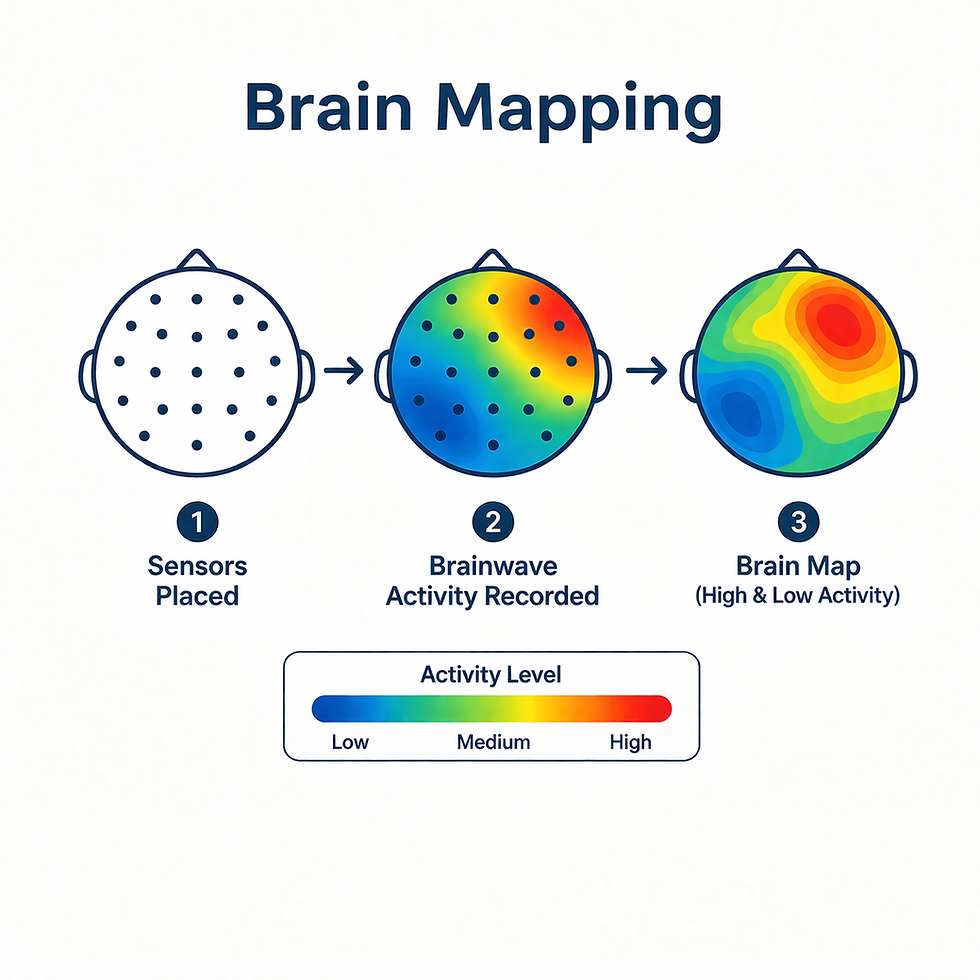
Brain mapping is a non-invasive method used to evaluate electrical activity within the brain. It often uses quantitative electroencephalogram (qEEG) technology to measure brainwave patterns and identify areas that may be overactive or underactive.
The process is simple and comfortable. Sensors are placed on the scalp to record brainwave activity while the individual rests quietly. The collected information is then analyzed to create a visual representation of brain function. These maps can help professionals recognize patterns linked to anxiety, depression, attention difficulties, trauma, and other cognitive or emotional concerns.
Unlike traditional assessments that rely only on conversations or symptom checklists, brain mapping provides measurable data that may help guide more individualized treatment strategies.
How Anxiety Affects Brain Activity
Anxiety is more than occasional worry or nervousness. It can involve persistent overactivity in certain brain regions responsible for fear responses, emotional regulation, and stress management. When these areas become dysregulated, individuals may experience racing thoughts, panic, irritability, sleep disturbances, and physical tension.
Brain mapping may reveal abnormal activity in regions connected to emotional processing and attention control. Some individuals may show excessive fast-wave activity linked to hyperarousal, while others may experience imbalances affecting focus and emotional stability.
By identifying these patterns, clinicians can better understand how anxiety uniquely impacts each person’s brain function.
The Benefits of Brain Mapping for Anxiety
One of the greatest advantages of brain mapping is personalization. Every brain functions differently, and anxiety symptoms can vary greatly from one individual to another. Brain mapping helps move beyond generalized treatment approaches by identifying specific areas that may need support.
Some potential benefits include:
Personalized Treatment Planning
Brain mapping allows care providers to create more targeted treatment strategies based on the individual’s brain activity patterns rather than symptoms alone.
Improved Understanding of Symptoms
Visual brain data can help explain why certain symptoms occur, making it easier for individuals to understand their experiences and treatment goals.
Support for Non-Invasive Therapies
Brain mapping may help guide therapies such as neurofeedback, TMS, cognitive therapies, and other brain-focused wellness approaches.
Tracking Progress Over Time
Repeat brain mapping sessions can help monitor improvements in brain activity and treatment response over time.
Brain Mapping and TMS Therapy
Brain mapping is often used alongside Transcranial Magnetic Stimulation (TMS) therapy to support more precise care. TMS uses magnetic pulses to stimulate targeted areas of the brain associated with mood and emotional regulation.
When combined with brain mapping, clinicians may better identify which brain regions could benefit from stimulation. This individualized approach may improve treatment accuracy and support better outcomes for individuals struggling with anxiety, depression, or emotional dysregulation.
Because TMS is non-invasive and does not require medication or surgery, many individuals explore it as part of a comprehensive brain wellness plan.
Anxiety, Stress, and Trauma Connections
Anxiety can sometimes be connected to unresolved trauma or chronic stress patterns stored within the brain and nervous system. Brain mapping may help identify dysregulation associated with traumatic experiences, emotional overload, or long-term stress exposure.
Many individuals seeking care through a ptsd treatment center may also experience anxiety-related symptoms such as hypervigilance, sleep disturbances, panic, or emotional reactivity. Understanding these brain patterns can support more informed treatment planning and help individuals pursue therapies focused on emotional recovery and nervous system regulation.
This brain-focused approach allows treatment strategies to address not only emotional symptoms but also the neurological patterns connected to stress and trauma responses.
Supporting Long-Term Brain Wellness
Brain mapping is not only about identifying challenges. It also supports long-term brain wellness by helping individuals gain a clearer understanding of their cognitive and emotional functioning. Early identification of dysregulated brain patterns may encourage proactive care and improved mental health management.
Many wellness-focused brain institutes integrate brain mapping into broader programs that may include lifestyle guidance, stress management techniques, neurofeedback, counseling, and advanced therapeutic technologies. This comprehensive approach aims to support emotional balance, cognitive performance, and overall well-being.
A More Personalized Future for Mental Health Care
As mental health care continues to evolve, brain-based technologies are becoming increasingly important in understanding how emotional conditions affect the brain. Brain mapping provides valuable insights that help create more personalized and data-driven treatment strategies for anxiety and related concerns.
Rather than relying solely on generalized treatment models, brain mapping allows clinicians to better understand each individual’s unique neurological patterns. This may help improve treatment precision, enhance patient understanding, and support more effective long-term care.
For individuals experiencing anxiety, stress, or emotional challenges, brain mapping represents a modern and innovative way to explore mental wellness through a deeper understanding of brain function.

Comments